

১২:০৪ পূর্বাহ্ন, বৃহস্পতিবার, ২৫ জুন ২০২৬

Ergonomic Innovations in Carry Solutions

রিপোর্টার
  • আপডেট সময় : ০৫:০৫:৫১ অপরাহ্ন, বুধবার, ২৪ জুন ২০২৬
  • / ১১

সোশ্যাল মিডিয়ায় শেয়ার করুন

Custom Packaging Box Handles Upgrade Your Brand Now

Have you ever struggled to carry a heavy box without a secure grip? A packaging box handle is a cut-out, attached strap, or integrated slot that provides a dedicated point for lifting and transporting. By distributing the load’s weight more evenly across your hand, it significantly reduces strain and makes maneuvering large cartons safer and easier.

Ergonomic Innovations in Carry Solutions

Ergonomic innovations in carry solutions for packaging box handles focus on reducing strain by shifting load distribution. New die-cut handles use curved, wider openings that let fingers slot in naturally, avoiding sharp edges that dig into palms. Some cardboard boxes now feature reinforced, padded cutouts where the handle integrates a foam or plastic insert, easing pressure on hand tendons.

Key insight: lifting with a flat, horizontal handle tucked into the box’s side uses your whole hand, not just fingertips, cutting fatigue during long carries.

Another design adds a soft-grip strap that clips onto standard box flaps, transforming any rigid package into a balanced tote-like carry.

Reducing Strain Through Contoured Grip Designs

Contoured grip designs directly combat hand fatigue by matching the natural curvature of the palm. Unlike flat, rigid handles that create pressure points, these ergonomic profiles distribute load across a wider surface area. Pressure-reducing cutouts along the handle base further alleviate strain on the median nerve during prolonged carries. A subtle flare at the grip’s ends prevents the hand from sliding during angled lifting, minimizing awkward wrist posture. Soft thermoplastic overlays on contoured surfaces absorb shock from sudden box movement, ensuring the handle remains comfortable even when the package shifts.

Material Choices That Enhance Comfort and Control

Selecting materials for box handles directly impacts user comfort and control. Soft-touch elastomers or thermoplastic rubber (TPR) overmolded onto a rigid core significantly reduce pressure points, allowing for a secure, non-slip grip during transport. For heavier loads, a contoured handle made from reinforced polypropylene or fiberglass retains structural integrity without sharp edges, distributing weight evenly across the palm. Conversely, wood or unfinished metal can induce fatigue and offer poor friction. The choice of a non-slip handle coating is critical for maintaining control, especially in varied environmental conditions where moisture or temperature might otherwise compromise grip.

How Handle Placement Affects Weight Distribution

Handle placement directly dictates weight distribution and user effort. A centered handle, positioned at the box’s center of gravity, ensures balanced weight across both sides, minimizing tilting and strain. For asymmetrical loads, a strategically offset handle can shift the center of gravity, requiring compensatory force from the user. Practical placement follows a clear sequence:

  1. Identify the box’s natural center of gravity by balancing it on a fulcrum.
  2. Position the handle directly above this point for uniform weight distribution.
  3. If contents force an uneven load, offset the handle slightly toward the heavier side to reduce torque on the wrist.

This alignment prevents abrupt shifting during transport, maintaining control.

Material Selection for Durability and Aesthetics

The material selection for a packaging box handle directly dictates both its structural endurance and visual appeal. For durability and aesthetics, choosing a braided cotton or polyester rope offers a soft, tactile finish that resists fraying under load, while a die-cast zinc alloy with a brushed matte coating provides a premium feel and exceptional tensile strength. Rigid plastic handles, such as ABS or polypropylene, can be molded into ergonomic curves and given a metallic or soft-touch finish to prevent cracking, balancing longevity with sleek design. The handle’s finish must also resist scuffing and moisture from repeated handling without compromising the box’s unboxing experience.

Ribbon, Cotton, and Nylon: Webbing Options Compared

When selecting webbing for a packaging box handle, ribbon, cotton, and nylon webbing options compared reveal distinct trade-offs in durability and aesthetics. Nylon webbing offers the highest tensile strength and resistance to fraying, making it ideal for heavy boxes but with a slick, industrial feel. Cotton webbing provides a natural, soft texture and matte appearance, though it absorbs moisture and wears faster under load. Ribbon, often overlooked, delivers a refined, decorative finish suitable for lightweight luxury packaging but lacks the structural integrity of woven nylon or cotton straps. Cotton excels in eco-conscious designs, while nylon remains the choice for repeated, heavy-duty use; ribbon should be reserved for low-weight, single-use presentations where visual appeal outweighs robustness.

Plastic and Metal Inserts for Structural Integrity

For packaging box handles, plastic and metal inserts for structural integrity reinforce the attachment points where the handle meets the box wall. A metal insert (typically steel or aluminum) provides high shear strength to prevent handle pull-through under heavy loads, while a rigid plastic insert (like ABS or polycarbonate) distributes stress and prevents the handle from deforming the cardboard or corrugated material. These inserts are embedded during manufacturing to create a durable, load-bearing interface.

  • Metal inserts resist tearing from repeated lifting of heavy contents.
  • Plastic inserts prevent localized crushing of the box material at the handle mount.
  • Combined inserts allow thinner box walls without sacrificing handle strength.

Eco-Friendly Alternatives like Bamboo and Recycled Fiber

For packaging box handles, bamboo offers a naturally robust and visually warm alternative to plastic, easily supporting substantial weight while adding an organic aesthetic. Recycled fiber, pressed into dense, rigid forms, provides another durable handle option that resists bending and complements eco-conscious box designs. Selecting these sustainable materials ensures the handle maintains functional integrity through repeated use. Bamboo’s smooth grain prevents splintering, and recycled fiber can be coated for moisture resistance, guaranteeing longevity without sacrificing visual appeal. Prioritizing these alternatives directly aligns handle durability with environmentally responsible packaging choices.

Bamboo and recycled fiber handles combine lasting strength with natural aesthetics, proving that eco-conscious material selection does not compromise performance.

Types of Handles for Different Box Styles

For corrugated mailers and lightweight product boxes, die-cut handles punched directly into the board offer an economical, integrated carry solution. Rigid gift boxes often utilize ribbon handles anchored through the lid, providing an elegant finish suited for heavier loads. Bulk shipping cartons commonly feature plastic or reinforced fabric drop handles, which are riveted to the side panels for high tensile strength. For telescoping or lid-and-base boxes, a rope handle threaded through reinforced grommets prevents tearing under weight. Laminated tuck-top boxes may incorporate a metal or plastic bail handle attached to the front panel, allowing secure handholding without altering the box’s interior structure.

Cut-Out Handles for Corrugated Shipping Containers

Cut-out handles for corrugated shipping containers are fabricated by die-cutting a shaped aperture directly into the box panel, often reinforced with a punch-out flap that folds inward to protect the hand. These handles provide a low-cost, integrated solution for manual transport, but they inherently compromise the container’s structural rigidity. For heavier loads, a reinforced cut-out handle requires a double-wall corrugated board or a plastic edge insert to prevent tearing. The handle’s placement should avoid vertical score lines to maintain stacking strength. Properly designed, they offer a flush surface for efficient palletizing and autoloading systems, eliminating protrusions common with taped or installed handles.

Attached Plastic T-Handles for Retail Displays

Attached plastic T-handles elevate retail displays by combining ergonomic grip with a sleek, low-profile design. These handles are molded directly into or affixed onto box surfaces, allowing shoppers to effortlessly pull open heavy product cases without tearing the packaging. Their rigid structure prevents wobbling, ensuring stable carrying for convenient retail box handling during shelf restocking. The smooth, contoured plastic reduces hand fatigue, while the integrated attachment eliminates loose parts that could snag on displays. Ideal for corrugated boxes or folding cartons, they maintain a clean aesthetic without compromising access to items inside.

Attached plastic T-handles offer durable, flush-mounted grips for retail boxes, ensuring smooth pulling action and reduced user strain.

Fabric Loop Handles for Premium Gift Boxes

For premium gift boxes, the fabric loop handle offers a tactile contrast to rigid cardboard, enhancing perceived value through its soft, woven texture. Its construction typically involves a folded strip of grosgrain or satin webbing, sewn directly into the box’s interior lid seam or glued within a reinforced slot. This design creates a low-profile, flush fit when not in use, preserving the box’s clean aesthetic. The handle’s load capacity depends on the webbing’s stitch density and width; a common specification is 10mm webbing with a double-stitched crossbar. Selection follows a logical sequence: first, match the fabric’s weight to the box’s integrity; second, align the handle’s color with the brand’s accent palette; third, test the fabric handle seam strength against the expected payload. This ensures the loop functions as both a carrying aid and a discreet luxury detail.

  1. Determine the webbing width (e.g., 10–15mm) based on box size and product weight.
  2. Select a fabric weave (grosgrain for durability or satin for gloss) that complements the box’s exterior finish.
  3. Anchor the loop ends using a heat-sealed or reinforced stitch within a 2cm recessed channel to prevent edge fraying.
  4. Conduct a static load test by suspending the filled box for 60 seconds to verify the attachment points.

Metal Bail Handles for Heavy-Duty Storage

For heavy-duty storage, metal bail handles are a rugged choice, offering reliable support for bulky loads. These handles attach to the box sides and swing freely, making them ideal for tool chests or machinery crates. They provide a secure carrying solution for heavy items, preventing straps or weak plastic from snapping. The metal construction can handle constant lifting and rough handling without cracking. **Can metal bail handles rust over time?** Yes, if the galvanized coating wears off, but many are treated with anti-corrosion finishes for outdoor use. Always ensure the mounting points match your box’s weight rating.

packaging box handle

Attachment Methods and Manufacturing Considerations

Attachment methods for packaging box handles are primarily determined by box material and weight capacity. Riveted handles offer high strength for cardboard boxes, requiring precise hole punching to avoid tearing the corrugated medium. Adhesive-mounted handles rely on pressure-sensitive tapes or hot-melt glues, demanding surface cleanliness and adhesion testing to prevent detachment. Slit-and-lock handles integrate directly into die-cut boxes, where manufacturing considerations include fiber direction alignment to maintain structural rigidity. For plastic handles, ultrasonic welding or snap-fit mechanisms eliminate fasteners but require tight tolerance molds to avoid stress fractures. Material selection—like nylon for durability or polypropylene for flexibility—impacts injection molding cycle times and flash management. Every method demands alignment with automated assembly lines to ensure consistent handle placement and bonding.

Adhesive vs. Stitching: Securing Webbed Handles

For webbed handles on packaging boxes, the choice between adhesive and stitching hinges on load and material. Adhesive bonding for webbed handles relies on hot-melt or solvent-based glues applied to the handle base, which is then pressed into a reinforced cardboard flap. This method creates a smooth interior surface but can fail under heavy weights or high humidity. Stitching uses industrial sewing to penetrate both webbing and board, providing superior tensile strength for heavy boxes. For a correct application, follow this sequence:

  1. Select a needle type suited to the webbing thickness to avoid tearing.
  2. Double-stitch the overlapping webbing ends to the box flap in a box-stitch pattern.
  3. Test pull strength at the seam to confirm the thread gauge matches the load.

Stitching is preferable for durability, while adhesive suits lighter, moisture-sensitive boxes.

Die-Cut Slots and Reinforced Punch-Outs

Die-cut slots integrate the handle directly into the box panel, allowing the user to insert fingers or a carrying strap without added materials. Reinforced punch-out handles enhance this design by using a perforated tab that folds inward or remains attached, creating a double-layer cardboard grip for greater weight distribution. A precisely engineered die-cut slot must avoid weakening the box structure, while the punch-out method benefits from scoring that prevents tearing during repeated use. For heavier loads, reinforced punch-outs with a glued-in paperboard insert drastically improve tear resistance compared to simple die-cut openings. Both methods require strict alignment with the box’s internal layout to avoid interfering with the product. Below is a comparison of key attributes.

packaging box handle

Feature Die-Cut Slot Reinforced Punch-Out
Material thickness Up to 2mm single-layer Up to 4mm with fold-back
Weight capacity Low to medium Medium to high
User effort to open None (precut) Requires light push
Tamper evidence Visible after first use Not applicable

Injection-Molded Inserts for Snap-Fit Assembly

Injection-molded inserts transform a simple handle into a robust snap-fit anchor by integrating precise cavities directly into the box plastic during molding. These inserts eliminate secondary hardware, creating a seamless pocket where the handle’s snap-tabs lock securely. The key advantage is tooled-in retention geometry, which prevents the handle from pulling free under load while allowing handle for box quick assembly. Engineers must align the insert’s undercut depth with the handle’s flexural modulus to avoid brittle failure. Unlike post-molded fasteners, these inserts distribute stress evenly across the box wall, ensuring the snap-fit remains reliable through repeated use cycles.

Functional Optimization for Specific Industries

For packaging box handle functional optimization in e-commerce, prioritize ergonomic die-cut handles that distribute weight evenly to prevent tearing during high-volume fulfillment. In the food industry, reinforced handles with moisture-resistant coatings are critical to maintain integrity when transporting chilled or frozen goods. The medical sector requires sterile-compatible handles made from non-porous materials, with integrated tamper-evident seals that allow safe gripping without compromising hygiene. For industrial chemical transport, optimize handles with slip-resistant textures and load-rated rivets to withstand abrasive contents. Always match handle aperture depth to average gloved hand dimensions for worker safety across these verticals, as one-fit solutions fail under specialized operational conditions.

Food and Beverage: Hygiene and Weight Capacity

For food and beverage boxes, handle design must prioritize hygiene and weight capacity to prevent contamination and ensure safe transport. Materials like smooth, non-porous plastics or coated metals resist bacterial growth and are easy to wipe clean. The handle must also securely bear the load of heavy bottles or containers without snapping, using reinforced attachment points to distribute stress. This hygienic load-bearing handle design means no crevices trap crumbs or liquids, and the weight rating is tested for wet or slippery conditions.

  • Use food-grade, antimicrobial materials for the handle surface
  • Ensure handle rivets are sealed to block moisture and debris
  • Test weight capacity with filled beverage crates or bulk ingredients
  • Avoid porous textures that absorb spills or odors

E-Commerce: Stackability and Flat-Pack Storage

For e-commerce fulfillment, box handles must align with flat-pack storage efficiency and vertical stackability. Recessed or fold-flat handles prevent protrusions that disrupt stable stacking during palletization and transit. A handle design that folds completely into the box wall is essential to avoid dimensional instability in high-stack configurations. The structural integrity of the handle cutout must not compromise the box’s ability to bear compressive loads when multiple units are stacked. To meet these requirements:

  1. Select handles with a low-profile, flush-mount design that collapses fully.
  2. Ensure the handle’s die-cut pattern does not weaken sidewall compression strength.
  3. Verify that the handle spans across the box’s vertical panel to distribute stacking pressure evenly.

All choices directly affect warehouse cube utilization and shipping density.

Luxury Cosmetics: Aesthetic Finish and Unboxing Feel

For luxury cosmetics, the packaging box handle directly influences the premium unboxing experience. A metallic ribbon handle with a soft-touch finish ensures the hand feels the product’s quality before the lid opens. The aesthetic finish must be flawless—no rough edges or visible adhesive—maintaining a seamless silhouette. To achieve this, consider a sequence:

  1. Apply a matte or gloss coating to the handle to match the box’s surface.
  2. Attach the handle inside a reinforced channel for a flush, weightless appearance.
  3. Add a magnetic clasp to the handle’s base, so it tucks away without disrupting the box’s visual line.

This tactile precision reinforces the brand’s exclusivity with every lift.

Balancing Strength with Portability

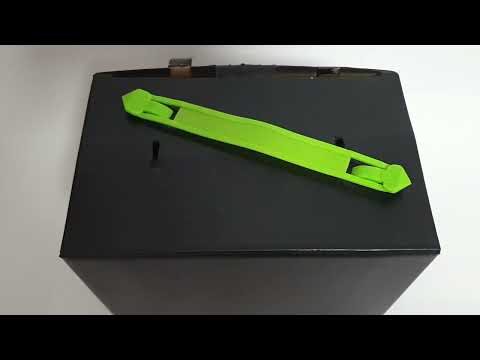
The design of a packaging box handle hinges on balancing strength with portability, a tension between load capacity and user comfort. A handle must be robust enough to bear the box’s total weight without tearing, yet compact and ergonomic to avoid adding bulk or snagging during transport. This is often achieved through die-cut plastic or reinforced fiber loops that distribute stress across a wider surface area, reducing strain on both the material and the user’s hand.

For maximum portability without sacrificing durability, the handle’s attachment points should be reinforced while the handle itself remains thin and flexible enough to fold flat against the box.

A rigid handle may offer superior strength but hinders stacking and storage, whereas a flimsy one compromises safety and ease of carry.
packaging box handle

Load Testing Standards for Consumer Safety

Load testing standards for consumer safety mandate that a packaging box handle must withstand a static weight of at least 1.5 times the product’s full retail weight for one hour without deformation. Drop tests simulate accidental falls from a height of 60cm onto concrete, requiring the handle to remain intact without tearing the box. Cyclic loading, applying force 2,000 times, verifies handle fatigue resistance under repeated use. These thresholds ensure the minimum handle breaking strength prevents failures during typical consumer transport.

Consumer safety load testing standards require handles to survive static loads exceeding product weight, drop impacts from 60cm, and repeated cycling forces without structural failure.

Minimizing Bulk While Maximizing Grip Comfort

When designing a packaging box handle, minimizing bulk while maximizing grip comfort means shaving off unnecessary material without sacrificing how nice it feels to hold. You achieve this by using a slim, contoured core wrapped in a thin layer of soft-touch rubber or foam, which adds no real width but drastically improves ergonomics. For a streamlined approach, follow this sequence:

  1. Select a rigid, lightweight insert (like hollow plastic) to keep the handle thin.
  2. Add a low-profile textured grip sleeve that’s just thick enough to prevent slipping.
  3. Round the edges slightly so fingers wrap naturally, avoiding sharp corners that dig in.

The payoff is a handle that vanishes into your palm yet never feels flimsy.

Folding and Retractable Mechanisms for Space Saving

Folding and retractable handles eliminate bulky protrusions, collapsing flush against the box surface when not in use to save critical storage and shipping space. These space-saving handle designs rely on spring-loaded hinges or sliding slots that lock into place when extended, ensuring a rigid lift point without adding permanent volume. A retractable mechanism lets the handle disappear into a recessed cavity, preserving a flat exterior for efficient stacking. By integrating these mechanisms, a packaging box gains a sturdy, load-bearing grip only on demand, then reverts to a clean, compact profile—a practical balance of strength and portability.

Visual Impact and Branding Potential

The handle on your packaging box is prime real estate for instant brand recognition. A custom-cut handle shape—like a subtle logo silhouette or a bold geometric cutout—creates a visual anchor that customers notice before they even touch the box. This simple change transforms a functional detail into a memorable brand signature. For maximum impact, consider a contrasting color or material for the handle itself, making it pop against the box surface. A ribbon handle in your brand color can feel unexpectedly luxurious, adding tactile branding that photos can’t fully capture. Even a well-placed handle can draw the eye upward, framing your logo naturally.

Color-Matched Handles as Extensions of Logo Design

Color-matched handles transform a functional component into a direct extension of the brand’s logo, reinforcing visual identity at every touchpoint. By applying the exact pantone or hex code from the logo to the handle material, the packaging creates a seamless, immersive unboxing experience. This technique establishes logo continuity across packaging components, ensuring the color remains consistent even when the handle is grasped or viewed from an angle. A clear sequence for implementation includes:

  1. Extract the primary logo color using a spectrophotometer for absolute accuracy.
  2. Test the color on the handle substrate (plastic, ribbon, or cardboard) to account for material absorption and finish.
  3. Adjust opacity or add a clear coating to match the logo’s sheen (matte vs. gloss).
  4. Position the handle on the box to visually align with the logo’s placement or flow.

This approach converts a carrying aid into a deliberate branding asset, not a separate feature.

Embossed or Debossed Text on Handle Surface

Adding embossed or debossed text to your handle surface turns a functional grab into a tactile brand moment. Raised letters catch the light and fingertips, creating a premium feel that flat printing can’t match. This subtle texture invites touch, making your brand name or logo impossible to ignore without adding extra materials. For the best result, follow this sequence:

  1. Choose a bold, simple font so the impression stays crisp even at small sizes.
  2. Confirm your handle material has enough thickness—thin plastic won’t hold a clean deboss.
  3. Test the raised depth to avoid uncomfortable bumps during carrying.

This detail elevates unboxing from simple handling to tactile brand reinforcement.

packaging box handle

Contrasting Textures for a Premium Tactile Experience

Contrasting textures on a packaging box handle elevate the unboxing from functional to luxurious. A smooth, polished handle shaft paired with a knurled or rubberized grip zone provides a distinct tactile cue, guiding the user’s touch while enhancing slip resistance. This deliberate friction play against cool metal or glossy ribbon visually signals quality before weight is felt. The stark transition between a raw, matte-finish handle and a high-gloss box surface creates an intentional sensory boundary. Such premium tactile contrast reinforces brand sophistication, as the hand instinctively registers quality through varying surface densities.

Texture Pairing Tactile Experience Visual Branding Signal
Brushed metal handle + Soft-touch rubber grip Cool-to-warm transition, secure hold Precision engineering meets comfort
Glossy ribbon handle + Matte microfiber wrap Smooth-glide to velvety stop Opulent restraint, high-touch luxury
Knurled metal insert + Smooth leather strap Textured traction against supple feel Industrial durability with artisan finish

Sustainability Trends in Handle Production

Sustainability trends in packaging box handle production increasingly prioritize bio-based and recycled content. Handles are now being formed from agricultural waste fibers, such as hemp or bagasse, combined with biodegradable binders, replacing petroleum-based plastics. A key insight is the shift toward mono-material construction, where the handle and its attachment mechanism use the same recyclable substrate as the box, eliminating complex lamination or metal rivets that hinder recycling.

This material unification ensures the entire packaging can enter a single recycling stream without disassembly.

Additionally, manufacturing processes now leverage water-based adhesives and compression molding to reduce energy consumption, while handle designs incorporate strategic cutouts and folded paper reinforcements to maintain load strength without added fasteners.

packaging box handle

Biodegradable Plastics and Compostable Fibers

Biodegradable plastics made from PLA or PHA offer handle strength comparable to petroleum-based versions, but they require industrial composting facilities to break down effectively. Compostable fibers like hemp or jute woven into handle straps provide a lightweight, soil-nourishing end-of-life option. These materials resist moisture during use yet decompose fully within months under proper conditions. Biodegradable handle formulations must be clearly labeled to prevent consumer confusion with recyclable plastics.

  • PLA handles withstand typical box loads but degrade only in commercial compost heat above 140°F.
  • Jute fiber handles can be home-composted, though they lose tensile strength if soaked.
  • Biopolymer-fiber blends balance durability with faster decomposition than pure plastic.
  • Compostable handles should avoid synthetic dyes to maintain full biodegradability.

Recycled Content Without Sacrificing Structural Integrity

Modern handles achieve high recycled content without sacrificing structural integrity through advanced material blending. Post-consumer plastics are reinforced with virgin polymer cores or glass fibers, ensuring the handle bears full load without snapping. Fiber-based composites, combining recycled cardboard with resin, create rigid, tear-resistant loops. Molded pulp handles gain durability via compressed layering, resisting moisture and breakage. This engineering eliminates the trade-off between eco-friendly materials and reliable performance, letting you choose sustainable packaging that feels as sturdy as conventional options.

Recycled content now delivers the same load-bearing strength as virgin materials, proving sustainability and durability are fully compatible in handle design.

Minimalist Designs That Reduce Material Waste

Minimalist designs that reduce material waste focus on removing non-essential handle components, such as bulky brackets or liners, to lower raw material consumption. These designs often employ reduced-form handles that integrate directly into the box structure, using a single die-cut piece of board instead of separate plastic or metal parts. By optimizing the handle’s geometry—e.g., replacing a full-width cutout with a narrow, ergonomic slit—manufacturers can trim cardboard usage by up to 20% while maintaining lifting performance. Every millimeter of excess material is eliminated through precise engineering, ensuring the handle’s function is achieved with the minimum possible substrate.

  • Eliminates separate plastic injection-molded components by consolidating the handle into the box’s flat blank.
  • Uses a single-layer die-cut slot instead of a reinforced hole, reducing board waste by 15–25%.
  • Employs non-removable, fold-integrated tabs to avoid adhesive or fastener waste.

Why the Right Carry Solution Matters for Your Box Design

How a Handle Transforms a Standard Box into a Portable Package

Key Scenarios Where Adding a Grip Improves User Experience

Types of Box Handles: Materials and Construction Differences

Die-Cut Handles vs. Attached Plastic or Metal Options

Ribbon, Rope, and Fabric Straps for Premium Packaging

How to Match Handle Strength to Box Weight and Contents

Calculating Load Limits for Adhesive-Backed vs. Riveted Handles

Common Failures When Handle Capacity Exceeds Box Integrity

Practical Tips for Positioning and Installing a Box Grip

Optimal Placement for Balanced Lifting and Reduced Tearing

Reinforcement Methods for Corrugated or Thin-Walled Boxes

Top Questions About Choosing and Using a Package Handle

Can Handles Be Added After a Box Is Already Filled?

How to Ensure Handles Stay Comfortable During Long Carries


সোশ্যাল মিডিয়ায় শেয়ার করুন

বিজ্ঞাপন

সাবধান
এই পৃষ্ঠার বিষয়বস্তু কপি করতে পারবেন না

Ergonomic Innovations in Carry Solutions

আপডেট সময় : ০৫:০৫:৫১ অপরাহ্ন, বুধবার, ২৪ জুন ২০২৬
সোশ্যাল মিডিয়ায় শেয়ার করুন

Custom Packaging Box Handles Upgrade Your Brand Now

Have you ever struggled to carry a heavy box without a secure grip? A packaging box handle is a cut-out, attached strap, or integrated slot that provides a dedicated point for lifting and transporting. By distributing the load’s weight more evenly across your hand, it significantly reduces strain and makes maneuvering large cartons safer and easier.

Ergonomic Innovations in Carry Solutions

Ergonomic innovations in carry solutions for packaging box handles focus on reducing strain by shifting load distribution. New die-cut handles use curved, wider openings that let fingers slot in naturally, avoiding sharp edges that dig into palms. Some cardboard boxes now feature reinforced, padded cutouts where the handle integrates a foam or plastic insert, easing pressure on hand tendons.

Key insight: lifting with a flat, horizontal handle tucked into the box’s side uses your whole hand, not just fingertips, cutting fatigue during long carries.

Another design adds a soft-grip strap that clips onto standard box flaps, transforming any rigid package into a balanced tote-like carry.

Reducing Strain Through Contoured Grip Designs

Contoured grip designs directly combat hand fatigue by matching the natural curvature of the palm. Unlike flat, rigid handles that create pressure points, these ergonomic profiles distribute load across a wider surface area. Pressure-reducing cutouts along the handle base further alleviate strain on the median nerve during prolonged carries. A subtle flare at the grip’s ends prevents the hand from sliding during angled lifting, minimizing awkward wrist posture. Soft thermoplastic overlays on contoured surfaces absorb shock from sudden box movement, ensuring the handle remains comfortable even when the package shifts.

Material Choices That Enhance Comfort and Control

Selecting materials for box handles directly impacts user comfort and control. Soft-touch elastomers or thermoplastic rubber (TPR) overmolded onto a rigid core significantly reduce pressure points, allowing for a secure, non-slip grip during transport. For heavier loads, a contoured handle made from reinforced polypropylene or fiberglass retains structural integrity without sharp edges, distributing weight evenly across the palm. Conversely, wood or unfinished metal can induce fatigue and offer poor friction. The choice of a non-slip handle coating is critical for maintaining control, especially in varied environmental conditions where moisture or temperature might otherwise compromise grip.

How Handle Placement Affects Weight Distribution

Handle placement directly dictates weight distribution and user effort. A centered handle, positioned at the box’s center of gravity, ensures balanced weight across both sides, minimizing tilting and strain. For asymmetrical loads, a strategically offset handle can shift the center of gravity, requiring compensatory force from the user. Practical placement follows a clear sequence:

  1. Identify the box’s natural center of gravity by balancing it on a fulcrum.
  2. Position the handle directly above this point for uniform weight distribution.
  3. If contents force an uneven load, offset the handle slightly toward the heavier side to reduce torque on the wrist.

This alignment prevents abrupt shifting during transport, maintaining control.

Material Selection for Durability and Aesthetics

The material selection for a packaging box handle directly dictates both its structural endurance and visual appeal. For durability and aesthetics, choosing a braided cotton or polyester rope offers a soft, tactile finish that resists fraying under load, while a die-cast zinc alloy with a brushed matte coating provides a premium feel and exceptional tensile strength. Rigid plastic handles, such as ABS or polypropylene, can be molded into ergonomic curves and given a metallic or soft-touch finish to prevent cracking, balancing longevity with sleek design. The handle’s finish must also resist scuffing and moisture from repeated handling without compromising the box’s unboxing experience.

Ribbon, Cotton, and Nylon: Webbing Options Compared

When selecting webbing for a packaging box handle, ribbon, cotton, and nylon webbing options compared reveal distinct trade-offs in durability and aesthetics. Nylon webbing offers the highest tensile strength and resistance to fraying, making it ideal for heavy boxes but with a slick, industrial feel. Cotton webbing provides a natural, soft texture and matte appearance, though it absorbs moisture and wears faster under load. Ribbon, often overlooked, delivers a refined, decorative finish suitable for lightweight luxury packaging but lacks the structural integrity of woven nylon or cotton straps. Cotton excels in eco-conscious designs, while nylon remains the choice for repeated, heavy-duty use; ribbon should be reserved for low-weight, single-use presentations where visual appeal outweighs robustness.

Plastic and Metal Inserts for Structural Integrity

For packaging box handles, plastic and metal inserts for structural integrity reinforce the attachment points where the handle meets the box wall. A metal insert (typically steel or aluminum) provides high shear strength to prevent handle pull-through under heavy loads, while a rigid plastic insert (like ABS or polycarbonate) distributes stress and prevents the handle from deforming the cardboard or corrugated material. These inserts are embedded during manufacturing to create a durable, load-bearing interface.

  • Metal inserts resist tearing from repeated lifting of heavy contents.
  • Plastic inserts prevent localized crushing of the box material at the handle mount.
  • Combined inserts allow thinner box walls without sacrificing handle strength.

Eco-Friendly Alternatives like Bamboo and Recycled Fiber

For packaging box handles, bamboo offers a naturally robust and visually warm alternative to plastic, easily supporting substantial weight while adding an organic aesthetic. Recycled fiber, pressed into dense, rigid forms, provides another durable handle option that resists bending and complements eco-conscious box designs. Selecting these sustainable materials ensures the handle maintains functional integrity through repeated use. Bamboo’s smooth grain prevents splintering, and recycled fiber can be coated for moisture resistance, guaranteeing longevity without sacrificing visual appeal. Prioritizing these alternatives directly aligns handle durability with environmentally responsible packaging choices.

Bamboo and recycled fiber handles combine lasting strength with natural aesthetics, proving that eco-conscious material selection does not compromise performance.

Types of Handles for Different Box Styles

For corrugated mailers and lightweight product boxes, die-cut handles punched directly into the board offer an economical, integrated carry solution. Rigid gift boxes often utilize ribbon handles anchored through the lid, providing an elegant finish suited for heavier loads. Bulk shipping cartons commonly feature plastic or reinforced fabric drop handles, which are riveted to the side panels for high tensile strength. For telescoping or lid-and-base boxes, a rope handle threaded through reinforced grommets prevents tearing under weight. Laminated tuck-top boxes may incorporate a metal or plastic bail handle attached to the front panel, allowing secure handholding without altering the box’s interior structure.

Cut-Out Handles for Corrugated Shipping Containers

Cut-out handles for corrugated shipping containers are fabricated by die-cutting a shaped aperture directly into the box panel, often reinforced with a punch-out flap that folds inward to protect the hand. These handles provide a low-cost, integrated solution for manual transport, but they inherently compromise the container’s structural rigidity. For heavier loads, a reinforced cut-out handle requires a double-wall corrugated board or a plastic edge insert to prevent tearing. The handle’s placement should avoid vertical score lines to maintain stacking strength. Properly designed, they offer a flush surface for efficient palletizing and autoloading systems, eliminating protrusions common with taped or installed handles.

Attached Plastic T-Handles for Retail Displays

Attached plastic T-handles elevate retail displays by combining ergonomic grip with a sleek, low-profile design. These handles are molded directly into or affixed onto box surfaces, allowing shoppers to effortlessly pull open heavy product cases without tearing the packaging. Their rigid structure prevents wobbling, ensuring stable carrying for convenient retail box handling during shelf restocking. The smooth, contoured plastic reduces hand fatigue, while the integrated attachment eliminates loose parts that could snag on displays. Ideal for corrugated boxes or folding cartons, they maintain a clean aesthetic without compromising access to items inside.

Attached plastic T-handles offer durable, flush-mounted grips for retail boxes, ensuring smooth pulling action and reduced user strain.

Fabric Loop Handles for Premium Gift Boxes

For premium gift boxes, the fabric loop handle offers a tactile contrast to rigid cardboard, enhancing perceived value through its soft, woven texture. Its construction typically involves a folded strip of grosgrain or satin webbing, sewn directly into the box’s interior lid seam or glued within a reinforced slot. This design creates a low-profile, flush fit when not in use, preserving the box’s clean aesthetic. The handle’s load capacity depends on the webbing’s stitch density and width; a common specification is 10mm webbing with a double-stitched crossbar. Selection follows a logical sequence: first, match the fabric’s weight to the box’s integrity; second, align the handle’s color with the brand’s accent palette; third, test the fabric handle seam strength against the expected payload. This ensures the loop functions as both a carrying aid and a discreet luxury detail.

  1. Determine the webbing width (e.g., 10–15mm) based on box size and product weight.
  2. Select a fabric weave (grosgrain for durability or satin for gloss) that complements the box’s exterior finish.
  3. Anchor the loop ends using a heat-sealed or reinforced stitch within a 2cm recessed channel to prevent edge fraying.
  4. Conduct a static load test by suspending the filled box for 60 seconds to verify the attachment points.

Metal Bail Handles for Heavy-Duty Storage

For heavy-duty storage, metal bail handles are a rugged choice, offering reliable support for bulky loads. These handles attach to the box sides and swing freely, making them ideal for tool chests or machinery crates. They provide a secure carrying solution for heavy items, preventing straps or weak plastic from snapping. The metal construction can handle constant lifting and rough handling without cracking. **Can metal bail handles rust over time?** Yes, if the galvanized coating wears off, but many are treated with anti-corrosion finishes for outdoor use. Always ensure the mounting points match your box’s weight rating.

packaging box handle

Attachment Methods and Manufacturing Considerations

Attachment methods for packaging box handles are primarily determined by box material and weight capacity. Riveted handles offer high strength for cardboard boxes, requiring precise hole punching to avoid tearing the corrugated medium. Adhesive-mounted handles rely on pressure-sensitive tapes or hot-melt glues, demanding surface cleanliness and adhesion testing to prevent detachment. Slit-and-lock handles integrate directly into die-cut boxes, where manufacturing considerations include fiber direction alignment to maintain structural rigidity. For plastic handles, ultrasonic welding or snap-fit mechanisms eliminate fasteners but require tight tolerance molds to avoid stress fractures. Material selection—like nylon for durability or polypropylene for flexibility—impacts injection molding cycle times and flash management. Every method demands alignment with automated assembly lines to ensure consistent handle placement and bonding.

Adhesive vs. Stitching: Securing Webbed Handles

For webbed handles on packaging boxes, the choice between adhesive and stitching hinges on load and material. Adhesive bonding for webbed handles relies on hot-melt or solvent-based glues applied to the handle base, which is then pressed into a reinforced cardboard flap. This method creates a smooth interior surface but can fail under heavy weights or high humidity. Stitching uses industrial sewing to penetrate both webbing and board, providing superior tensile strength for heavy boxes. For a correct application, follow this sequence:

  1. Select a needle type suited to the webbing thickness to avoid tearing.
  2. Double-stitch the overlapping webbing ends to the box flap in a box-stitch pattern.
  3. Test pull strength at the seam to confirm the thread gauge matches the load.

Stitching is preferable for durability, while adhesive suits lighter, moisture-sensitive boxes.

Die-Cut Slots and Reinforced Punch-Outs

Die-cut slots integrate the handle directly into the box panel, allowing the user to insert fingers or a carrying strap without added materials. Reinforced punch-out handles enhance this design by using a perforated tab that folds inward or remains attached, creating a double-layer cardboard grip for greater weight distribution. A precisely engineered die-cut slot must avoid weakening the box structure, while the punch-out method benefits from scoring that prevents tearing during repeated use. For heavier loads, reinforced punch-outs with a glued-in paperboard insert drastically improve tear resistance compared to simple die-cut openings. Both methods require strict alignment with the box’s internal layout to avoid interfering with the product. Below is a comparison of key attributes.

packaging box handle

Feature Die-Cut Slot Reinforced Punch-Out
Material thickness Up to 2mm single-layer Up to 4mm with fold-back
Weight capacity Low to medium Medium to high
User effort to open None (precut) Requires light push
Tamper evidence Visible after first use Not applicable

Injection-Molded Inserts for Snap-Fit Assembly

Injection-molded inserts transform a simple handle into a robust snap-fit anchor by integrating precise cavities directly into the box plastic during molding. These inserts eliminate secondary hardware, creating a seamless pocket where the handle’s snap-tabs lock securely. The key advantage is tooled-in retention geometry, which prevents the handle from pulling free under load while allowing handle for box quick assembly. Engineers must align the insert’s undercut depth with the handle’s flexural modulus to avoid brittle failure. Unlike post-molded fasteners, these inserts distribute stress evenly across the box wall, ensuring the snap-fit remains reliable through repeated use cycles.

Functional Optimization for Specific Industries

For packaging box handle functional optimization in e-commerce, prioritize ergonomic die-cut handles that distribute weight evenly to prevent tearing during high-volume fulfillment. In the food industry, reinforced handles with moisture-resistant coatings are critical to maintain integrity when transporting chilled or frozen goods. The medical sector requires sterile-compatible handles made from non-porous materials, with integrated tamper-evident seals that allow safe gripping without compromising hygiene. For industrial chemical transport, optimize handles with slip-resistant textures and load-rated rivets to withstand abrasive contents. Always match handle aperture depth to average gloved hand dimensions for worker safety across these verticals, as one-fit solutions fail under specialized operational conditions.

Food and Beverage: Hygiene and Weight Capacity

For food and beverage boxes, handle design must prioritize hygiene and weight capacity to prevent contamination and ensure safe transport. Materials like smooth, non-porous plastics or coated metals resist bacterial growth and are easy to wipe clean. The handle must also securely bear the load of heavy bottles or containers without snapping, using reinforced attachment points to distribute stress. This hygienic load-bearing handle design means no crevices trap crumbs or liquids, and the weight rating is tested for wet or slippery conditions.

  • Use food-grade, antimicrobial materials for the handle surface
  • Ensure handle rivets are sealed to block moisture and debris
  • Test weight capacity with filled beverage crates or bulk ingredients
  • Avoid porous textures that absorb spills or odors

E-Commerce: Stackability and Flat-Pack Storage

For e-commerce fulfillment, box handles must align with flat-pack storage efficiency and vertical stackability. Recessed or fold-flat handles prevent protrusions that disrupt stable stacking during palletization and transit. A handle design that folds completely into the box wall is essential to avoid dimensional instability in high-stack configurations. The structural integrity of the handle cutout must not compromise the box’s ability to bear compressive loads when multiple units are stacked. To meet these requirements:

  1. Select handles with a low-profile, flush-mount design that collapses fully.
  2. Ensure the handle’s die-cut pattern does not weaken sidewall compression strength.
  3. Verify that the handle spans across the box’s vertical panel to distribute stacking pressure evenly.

All choices directly affect warehouse cube utilization and shipping density.

Luxury Cosmetics: Aesthetic Finish and Unboxing Feel

For luxury cosmetics, the packaging box handle directly influences the premium unboxing experience. A metallic ribbon handle with a soft-touch finish ensures the hand feels the product’s quality before the lid opens. The aesthetic finish must be flawless—no rough edges or visible adhesive—maintaining a seamless silhouette. To achieve this, consider a sequence:

  1. Apply a matte or gloss coating to the handle to match the box’s surface.
  2. Attach the handle inside a reinforced channel for a flush, weightless appearance.
  3. Add a magnetic clasp to the handle’s base, so it tucks away without disrupting the box’s visual line.

This tactile precision reinforces the brand’s exclusivity with every lift.

Balancing Strength with Portability

The design of a packaging box handle hinges on balancing strength with portability, a tension between load capacity and user comfort. A handle must be robust enough to bear the box’s total weight without tearing, yet compact and ergonomic to avoid adding bulk or snagging during transport. This is often achieved through die-cut plastic or reinforced fiber loops that distribute stress across a wider surface area, reducing strain on both the material and the user’s hand.

For maximum portability without sacrificing durability, the handle’s attachment points should be reinforced while the handle itself remains thin and flexible enough to fold flat against the box.

A rigid handle may offer superior strength but hinders stacking and storage, whereas a flimsy one compromises safety and ease of carry.

packaging box handle

Load Testing Standards for Consumer Safety

Load testing standards for consumer safety mandate that a packaging box handle must withstand a static weight of at least 1.5 times the product’s full retail weight for one hour without deformation. Drop tests simulate accidental falls from a height of 60cm onto concrete, requiring the handle to remain intact without tearing the box. Cyclic loading, applying force 2,000 times, verifies handle fatigue resistance under repeated use. These thresholds ensure the minimum handle breaking strength prevents failures during typical consumer transport.

Consumer safety load testing standards require handles to survive static loads exceeding product weight, drop impacts from 60cm, and repeated cycling forces without structural failure.

Minimizing Bulk While Maximizing Grip Comfort

When designing a packaging box handle, minimizing bulk while maximizing grip comfort means shaving off unnecessary material without sacrificing how nice it feels to hold. You achieve this by using a slim, contoured core wrapped in a thin layer of soft-touch rubber or foam, which adds no real width but drastically improves ergonomics. For a streamlined approach, follow this sequence:

  1. Select a rigid, lightweight insert (like hollow plastic) to keep the handle thin.
  2. Add a low-profile textured grip sleeve that’s just thick enough to prevent slipping.
  3. Round the edges slightly so fingers wrap naturally, avoiding sharp corners that dig in.

The payoff is a handle that vanishes into your palm yet never feels flimsy.

Folding and Retractable Mechanisms for Space Saving

Folding and retractable handles eliminate bulky protrusions, collapsing flush against the box surface when not in use to save critical storage and shipping space. These space-saving handle designs rely on spring-loaded hinges or sliding slots that lock into place when extended, ensuring a rigid lift point without adding permanent volume. A retractable mechanism lets the handle disappear into a recessed cavity, preserving a flat exterior for efficient stacking. By integrating these mechanisms, a packaging box gains a sturdy, load-bearing grip only on demand, then reverts to a clean, compact profile—a practical balance of strength and portability.

Visual Impact and Branding Potential

The handle on your packaging box is prime real estate for instant brand recognition. A custom-cut handle shape—like a subtle logo silhouette or a bold geometric cutout—creates a visual anchor that customers notice before they even touch the box. This simple change transforms a functional detail into a memorable brand signature. For maximum impact, consider a contrasting color or material for the handle itself, making it pop against the box surface. A ribbon handle in your brand color can feel unexpectedly luxurious, adding tactile branding that photos can’t fully capture. Even a well-placed handle can draw the eye upward, framing your logo naturally.

Color-Matched Handles as Extensions of Logo Design

Color-matched handles transform a functional component into a direct extension of the brand’s logo, reinforcing visual identity at every touchpoint. By applying the exact pantone or hex code from the logo to the handle material, the packaging creates a seamless, immersive unboxing experience. This technique establishes logo continuity across packaging components, ensuring the color remains consistent even when the handle is grasped or viewed from an angle. A clear sequence for implementation includes:

  1. Extract the primary logo color using a spectrophotometer for absolute accuracy.
  2. Test the color on the handle substrate (plastic, ribbon, or cardboard) to account for material absorption and finish.
  3. Adjust opacity or add a clear coating to match the logo’s sheen (matte vs. gloss).
  4. Position the handle on the box to visually align with the logo’s placement or flow.

This approach converts a carrying aid into a deliberate branding asset, not a separate feature.

Embossed or Debossed Text on Handle Surface

Adding embossed or debossed text to your handle surface turns a functional grab into a tactile brand moment. Raised letters catch the light and fingertips, creating a premium feel that flat printing can’t match. This subtle texture invites touch, making your brand name or logo impossible to ignore without adding extra materials. For the best result, follow this sequence:

  1. Choose a bold, simple font so the impression stays crisp even at small sizes.
  2. Confirm your handle material has enough thickness—thin plastic won’t hold a clean deboss.
  3. Test the raised depth to avoid uncomfortable bumps during carrying.

This detail elevates unboxing from simple handling to tactile brand reinforcement.

packaging box handle

Contrasting Textures for a Premium Tactile Experience

Contrasting textures on a packaging box handle elevate the unboxing from functional to luxurious. A smooth, polished handle shaft paired with a knurled or rubberized grip zone provides a distinct tactile cue, guiding the user’s touch while enhancing slip resistance. This deliberate friction play against cool metal or glossy ribbon visually signals quality before weight is felt. The stark transition between a raw, matte-finish handle and a high-gloss box surface creates an intentional sensory boundary. Such premium tactile contrast reinforces brand sophistication, as the hand instinctively registers quality through varying surface densities.

Texture Pairing Tactile Experience Visual Branding Signal
Brushed metal handle + Soft-touch rubber grip Cool-to-warm transition, secure hold Precision engineering meets comfort
Glossy ribbon handle + Matte microfiber wrap Smooth-glide to velvety stop Opulent restraint, high-touch luxury
Knurled metal insert + Smooth leather strap Textured traction against supple feel Industrial durability with artisan finish

Sustainability Trends in Handle Production

Sustainability trends in packaging box handle production increasingly prioritize bio-based and recycled content. Handles are now being formed from agricultural waste fibers, such as hemp or bagasse, combined with biodegradable binders, replacing petroleum-based plastics. A key insight is the shift toward mono-material construction, where the handle and its attachment mechanism use the same recyclable substrate as the box, eliminating complex lamination or metal rivets that hinder recycling.

This material unification ensures the entire packaging can enter a single recycling stream without disassembly.

Additionally, manufacturing processes now leverage water-based adhesives and compression molding to reduce energy consumption, while handle designs incorporate strategic cutouts and folded paper reinforcements to maintain load strength without added fasteners.

packaging box handle

Biodegradable Plastics and Compostable Fibers

Biodegradable plastics made from PLA or PHA offer handle strength comparable to petroleum-based versions, but they require industrial composting facilities to break down effectively. Compostable fibers like hemp or jute woven into handle straps provide a lightweight, soil-nourishing end-of-life option. These materials resist moisture during use yet decompose fully within months under proper conditions. Biodegradable handle formulations must be clearly labeled to prevent consumer confusion with recyclable plastics.

  • PLA handles withstand typical box loads but degrade only in commercial compost heat above 140°F.
  • Jute fiber handles can be home-composted, though they lose tensile strength if soaked.
  • Biopolymer-fiber blends balance durability with faster decomposition than pure plastic.
  • Compostable handles should avoid synthetic dyes to maintain full biodegradability.

Recycled Content Without Sacrificing Structural Integrity

Modern handles achieve high recycled content without sacrificing structural integrity through advanced material blending. Post-consumer plastics are reinforced with virgin polymer cores or glass fibers, ensuring the handle bears full load without snapping. Fiber-based composites, combining recycled cardboard with resin, create rigid, tear-resistant loops. Molded pulp handles gain durability via compressed layering, resisting moisture and breakage. This engineering eliminates the trade-off between eco-friendly materials and reliable performance, letting you choose sustainable packaging that feels as sturdy as conventional options.

Recycled content now delivers the same load-bearing strength as virgin materials, proving sustainability and durability are fully compatible in handle design.

Minimalist Designs That Reduce Material Waste

Minimalist designs that reduce material waste focus on removing non-essential handle components, such as bulky brackets or liners, to lower raw material consumption. These designs often employ reduced-form handles that integrate directly into the box structure, using a single die-cut piece of board instead of separate plastic or metal parts. By optimizing the handle’s geometry—e.g., replacing a full-width cutout with a narrow, ergonomic slit—manufacturers can trim cardboard usage by up to 20% while maintaining lifting performance. Every millimeter of excess material is eliminated through precise engineering, ensuring the handle’s function is achieved with the minimum possible substrate.

  • Eliminates separate plastic injection-molded components by consolidating the handle into the box’s flat blank.
  • Uses a single-layer die-cut slot instead of a reinforced hole, reducing board waste by 15–25%.
  • Employs non-removable, fold-integrated tabs to avoid adhesive or fastener waste.

Why the Right Carry Solution Matters for Your Box Design

How a Handle Transforms a Standard Box into a Portable Package

Key Scenarios Where Adding a Grip Improves User Experience

Types of Box Handles: Materials and Construction Differences

Die-Cut Handles vs. Attached Plastic or Metal Options

Ribbon, Rope, and Fabric Straps for Premium Packaging

How to Match Handle Strength to Box Weight and Contents

Calculating Load Limits for Adhesive-Backed vs. Riveted Handles

Common Failures When Handle Capacity Exceeds Box Integrity

Practical Tips for Positioning and Installing a Box Grip

Optimal Placement for Balanced Lifting and Reduced Tearing

Reinforcement Methods for Corrugated or Thin-Walled Boxes

Top Questions About Choosing and Using a Package Handle

Can Handles Be Added After a Box Is Already Filled?

How to Ensure Handles Stay Comfortable During Long Carries


সোশ্যাল মিডিয়ায় শেয়ার করুন